How to make sushi: Guide with sushi recipes
16. March 2026
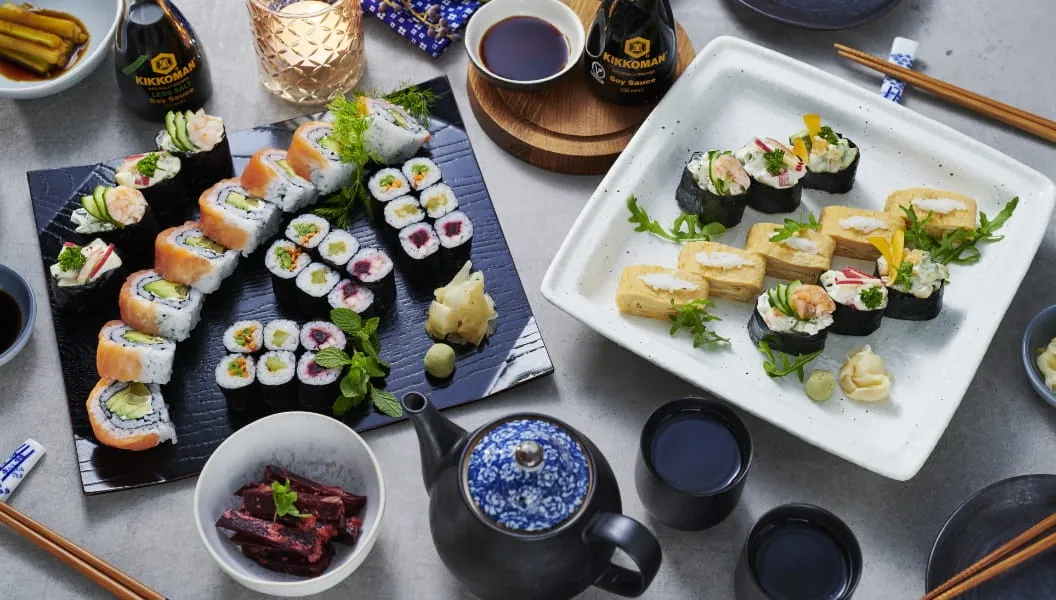
All you need is a few ingredients, plus a few basic items of equipment to help you shape the sushi and you’re ready to get rolling!
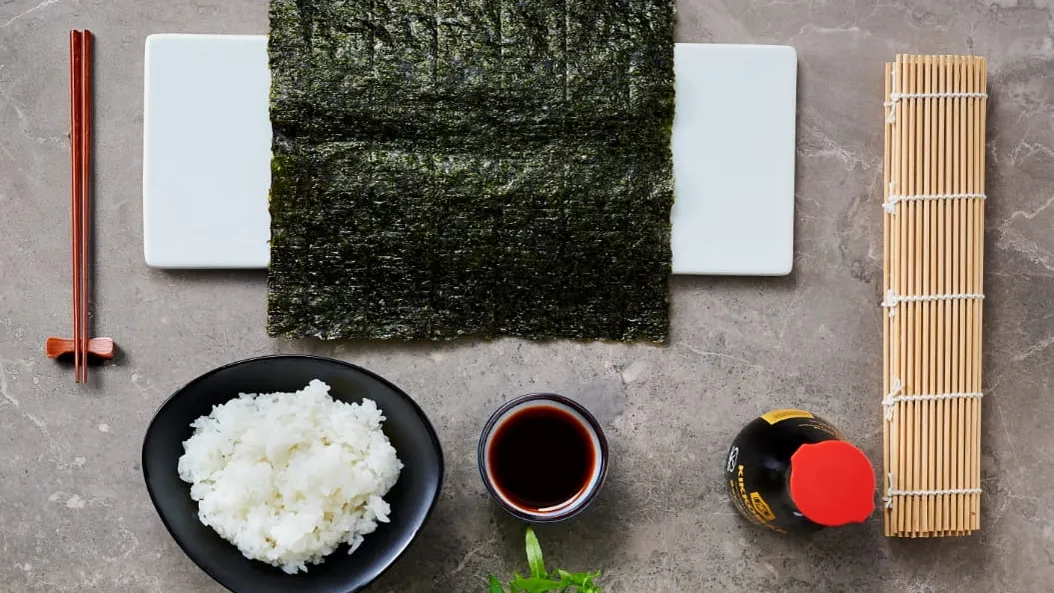
What basic sushi-making kit does a beginner need?
These items can be bought quite cheaply from Asian stores or online.
- Bamboo rolling mat
- Dipping dishes – for Kikkoman soy sauce and wasabi
- Chopsticks (or just use your fingers!)
- Rice spreader or spatula
What are the main ingredients for homemade sushi?
Not all are needed, but if you have these, you’ll easily be able to make most kinds of traditional sushi fillings at home:
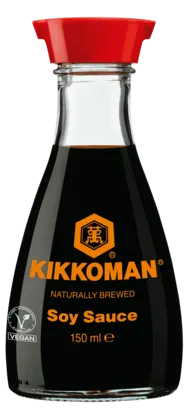
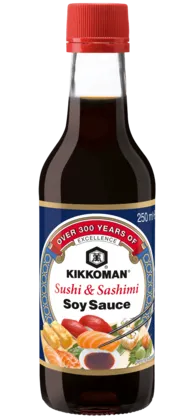
- Kikkoman Soy Sauce or Kikkoman Sushi and Sashimi Soy Sauce
- Sheets of dried nori (seaweed)
- Sushi rice
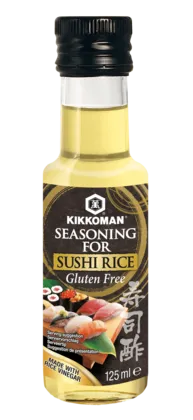
- Kikkoman Seasoning for Sushi Rice
- Wasabi paste
- Pickled sushi ginger
- Sushi grade raw fish (salmon or tuna) – check the label says “sushi grade” or “suitable for raw consumption” on the label. You can buy fresh or frozen sushi grade fish from the thefishsociety.co.uk
- Seafood/crab sticks
- Caviar or salmon roe
- Fresh crunchy salad ingredients for vegetarian sushi e.g. cucumber, peppers, lettuce, avocado
- Mayonnaise or cream cheese
- Sesame seeds
Recipes for the most popular types of sushi
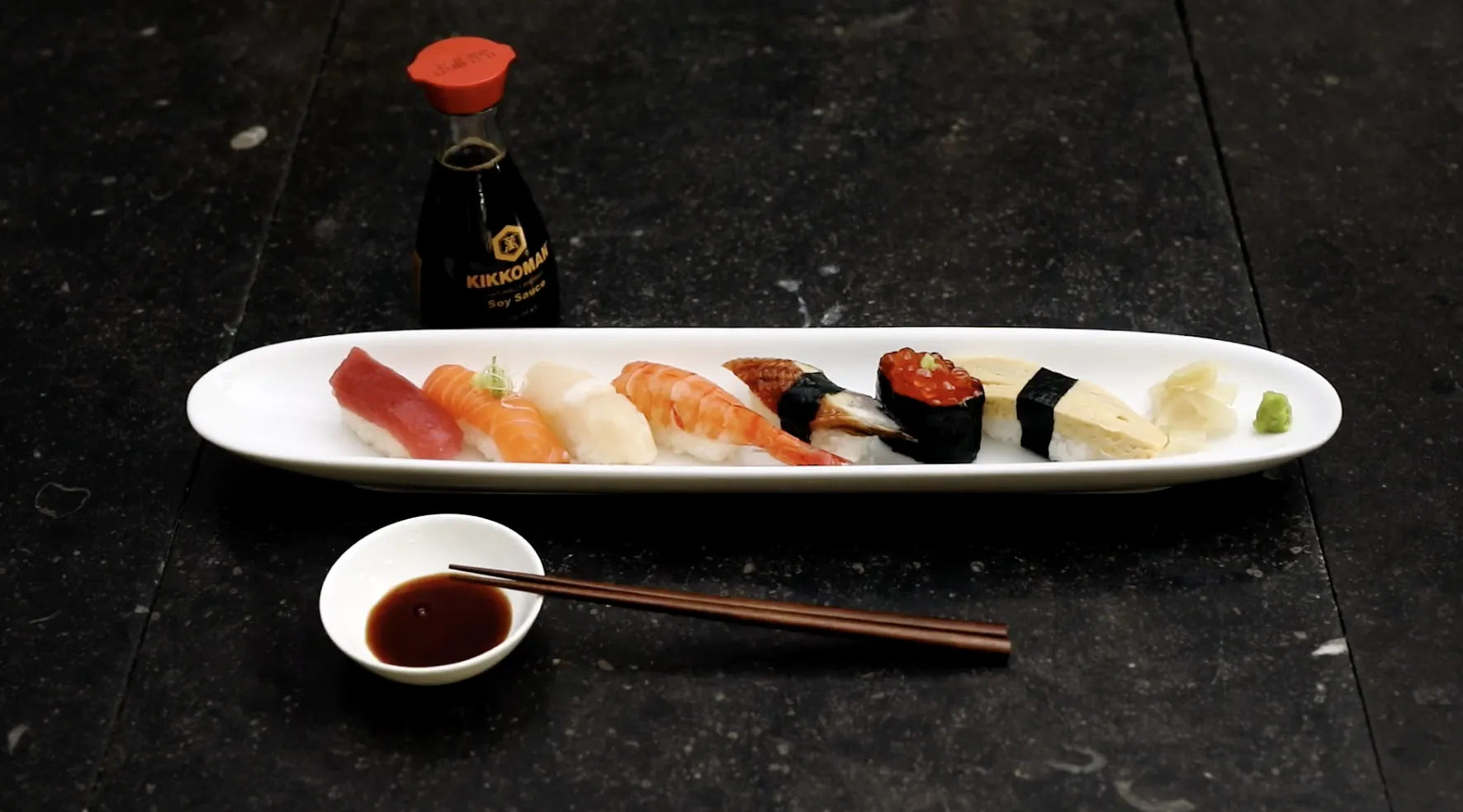
Nigiri – Neat mounds of prepared sushi rice draped with a thin slice of raw fish or omelette (tamagoyaki) or another ingredient. Here’s how to make it yourself: Nigiri sushi recipe or watch the video:
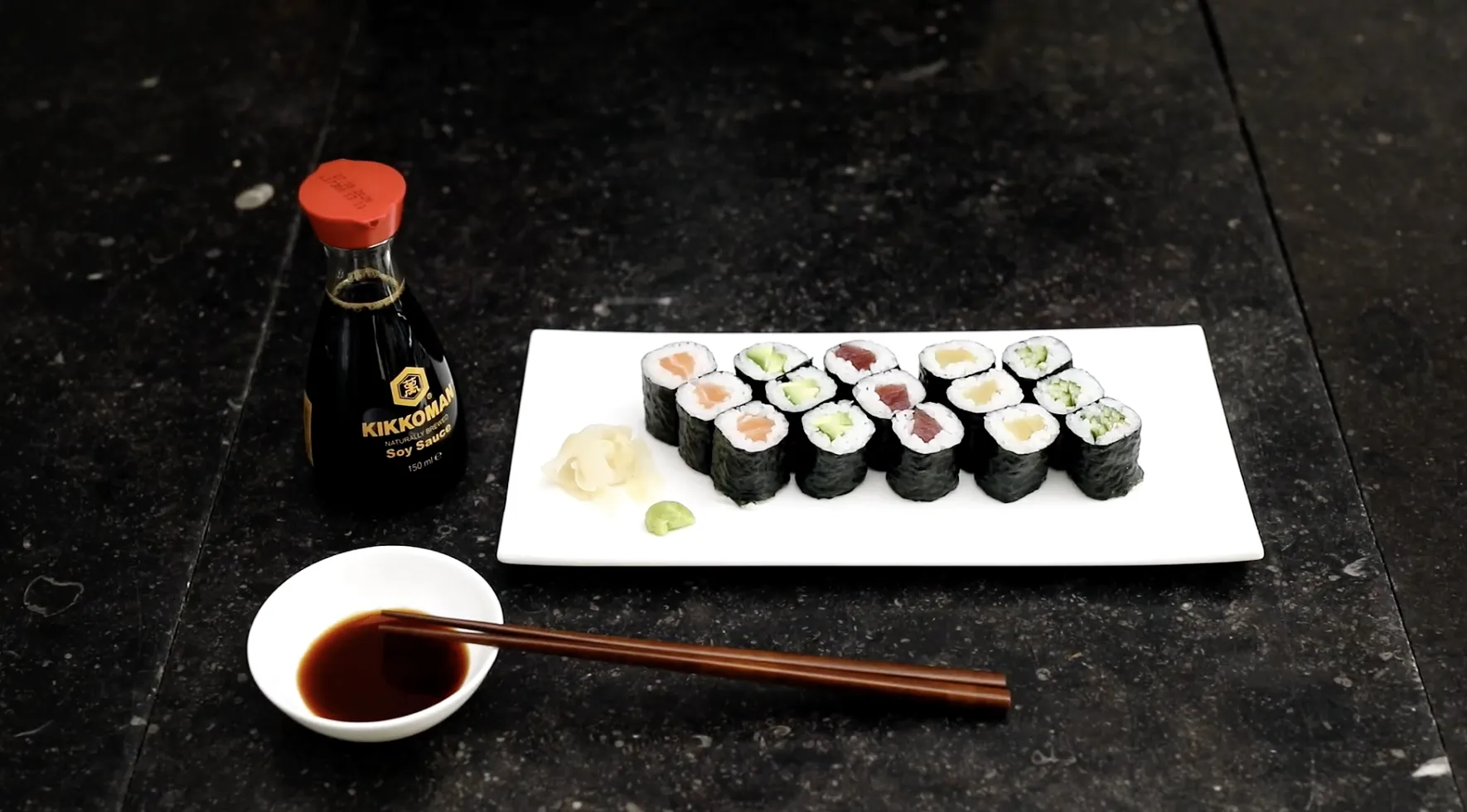
Maki Rolls – Probably the type most non-Japanese people think of when they think of sushi. Maki are made by wrapping up fillings such as fish or cucumber in rice and nori seaweed. Try this Vegetarian Maki Rolls Sushi recipe and practise your rolling skills or watch the video:
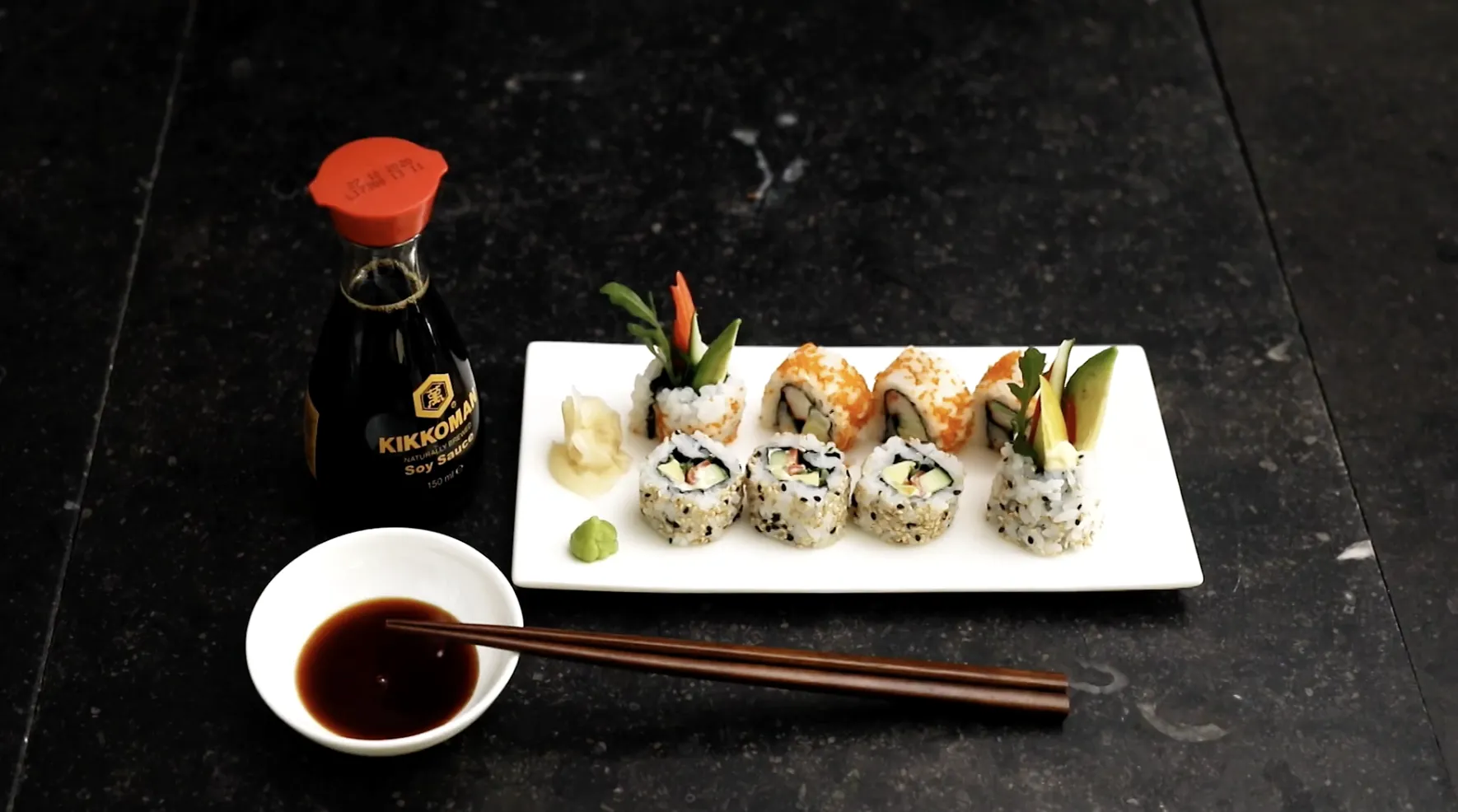
California Rolls – these are actually inside-out sushi rolls! The sushi rice is on the outside and nori strips on the inside. The Japanese name for this is uramaki. Why not take a look at our smoked salmon and avocado roll (Uramaki) recipe? Unlike other types this doesn’t contain raw fish – instead cucumber, crab or avocado are used. The outside layer of rice is often sprinkled with sesame or roe. This Californian Rolls Sushi recipe is very easy to make. Watch the step-by-step video:
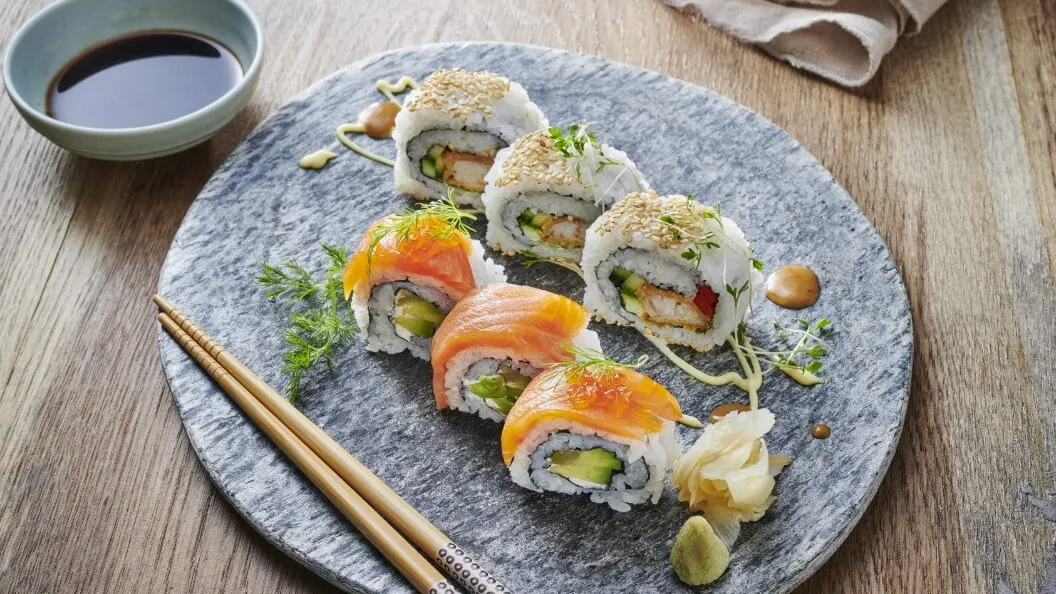
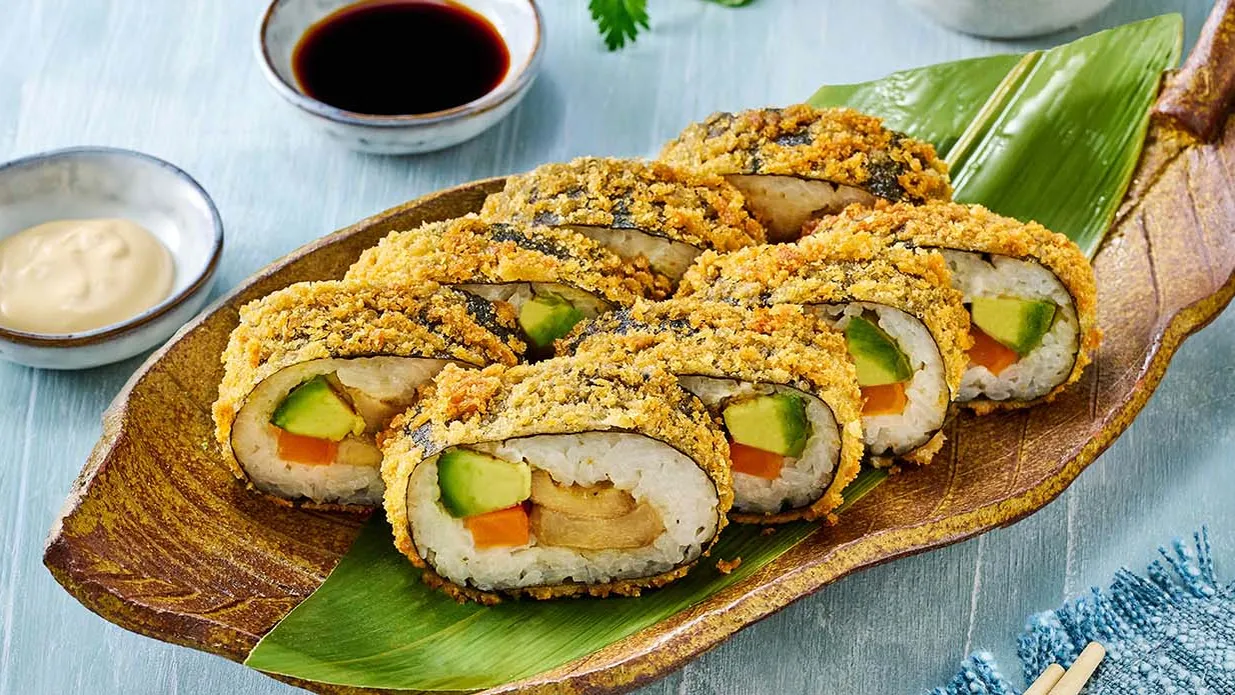
Tempura/panko sushi – a modern twist on traditional sushi, often referred to as 'crispy rolls'. These are made by taking prepared sushi rolls (usually maki or uramaki), dipping them in tempura batter and coating them in Kikkoman Panko breadcrumbs before frying until golden and crisp. Popular fillings include shrimp, salmon, chicken or vegan options, such as our vegan tempura sushi. If you're looking for a lighter option, you can easily swap the deep fryer for an air fryer with just a little oil to get them golden and crisp.
Temaki – Hand-rolled sushi, or "temaki sushi," is a fun and interactive meal where you wrap vinegared rice and your favorite fillings in a sheet of seaweed. It’s a great way for family and friends to gather around the table and enjoy a meal together. The process is simple: each person takes a sheet of nori (seaweed), adds a small amount of rice, and then chooses their favorite ingredients like tuna, salmon, cucumber, or avocado to roll into a cone or cylinder shape and eat with soy sauce with wasabi.
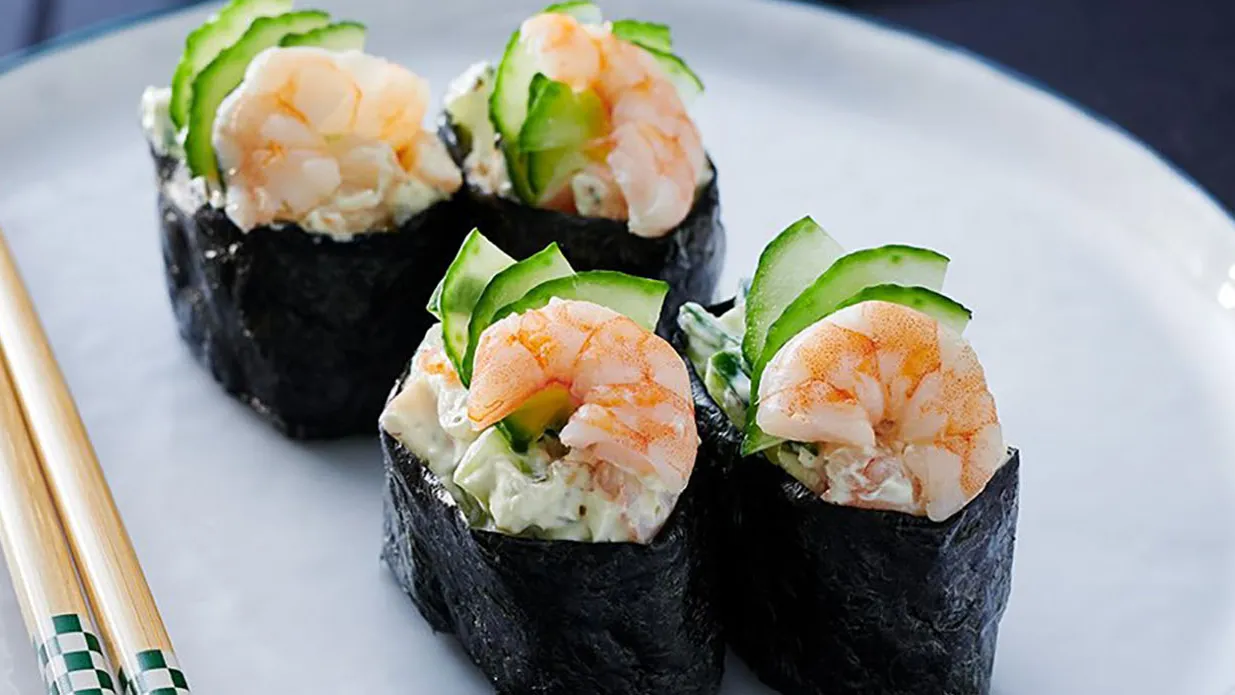
Gunkan Maki – Oval boat-shaped sushi consisting of a ball of rice, wrapped in seaweed, or in this recipe smoked salmon, and topped with fish roe. Try this classic Gunkan Maki Sushi recipe or give these vegetarian gunkan sushi and Gunkan Maki Sushi with Prawns and Cucumber recipes a whirl.
Chirashi sushi – also known as “scattered sushi”, is a traditional Japanese sushi variant in which rice with various ingredients is loosely arranged in a bowl. Try this version with marinated salmon, colorful vegetables and fine omelette strips. Wonderfully fresh and great for sharing. Perhaps a suggestion for the next takeaway party?
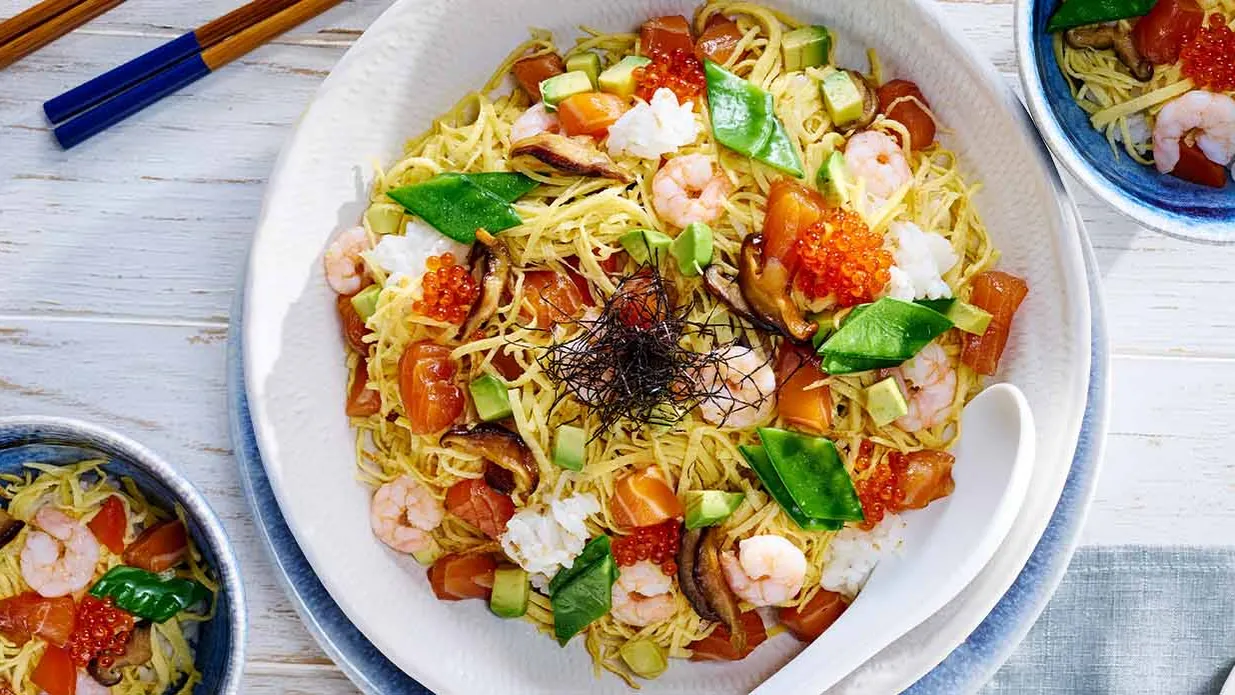
Vegan sushi – for those who enjoy plant-based living, we’ve put together a variety of delicious sushi recipes for you to explore:


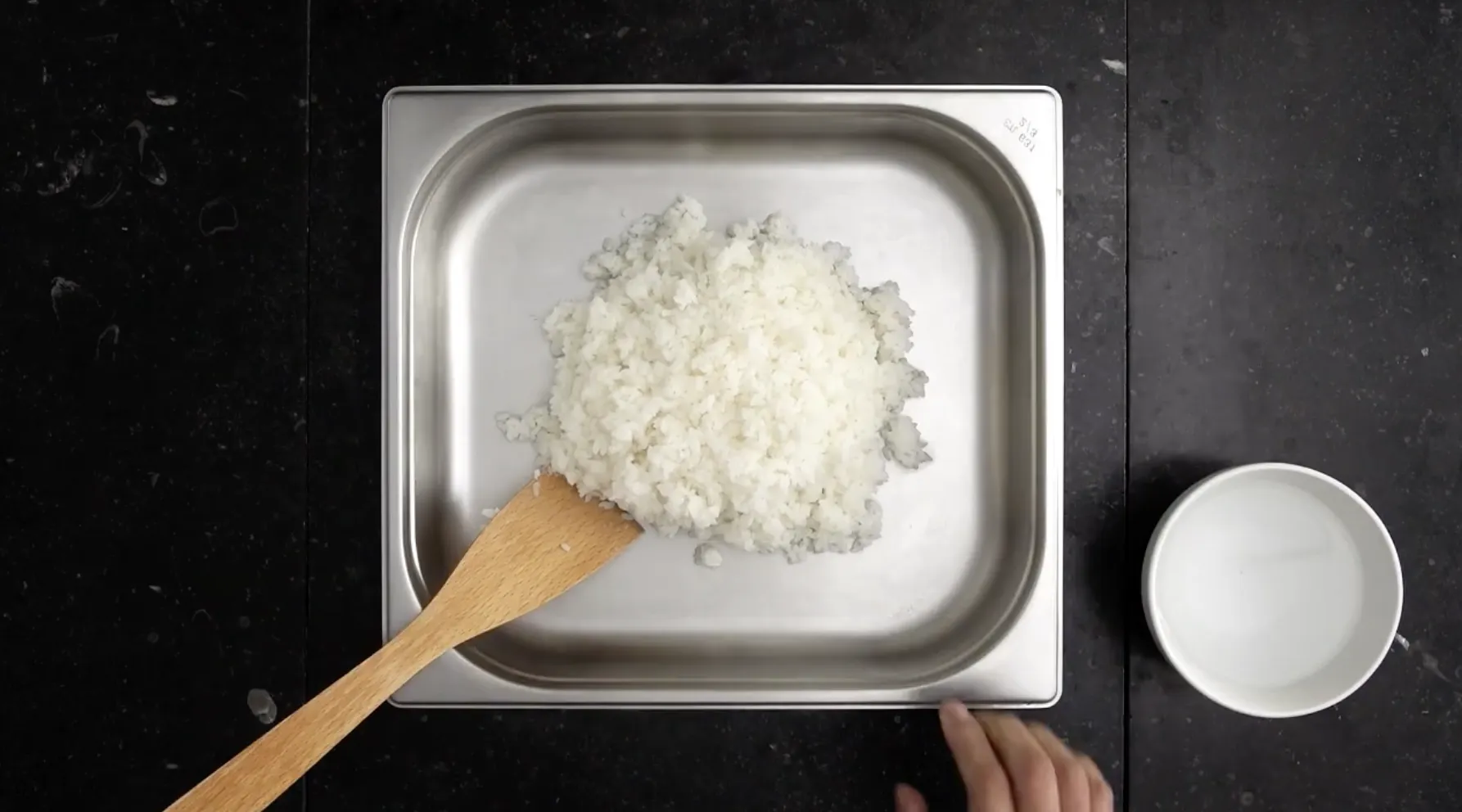
Sushi rice – ok, not a type of sushi, but the rice is the most important part to get right. If it doesn’t have the right consistency, everything will fall apart – literally. All you need is a pack of sushi rice, a little Kikkoman Seasoning for Sushi Rice to provide the correct flavour, and a cooking pot. Check out this Sushi rice recipe or you can watch a detailed video by a professional sushi chef here:
Sushi more often? A great idea!
Sushi is not only a practical meal that can be prepared ready to eat, it can also be a valuable part of a balanced diet. It is an excellent source of protein – comparable to eggs, chicken or steak. Just 10 pieces of sushi provide around 20 to 30 g of protein, which is already the daily requirement per meal.
Compared to chicken and other meats, sushi offers a greater variety of nutrients and often contains less fat. Of course, this depends on the fish used. Tuna and mackerel are relatively high in fat, but these are healthy fats such as EPA and DHA – essential omega-3 fatty acids that the body cannot produce itself. Calorie-conscious gourmets often prefer very low-fat fish such as white fish or seafood.
Would you like to find out more? Then take a look at our fantastic collection of sushi recipes.