The pro's guide to aromatic meal-prep marinades
26. November 2025
What makes a good marinade?
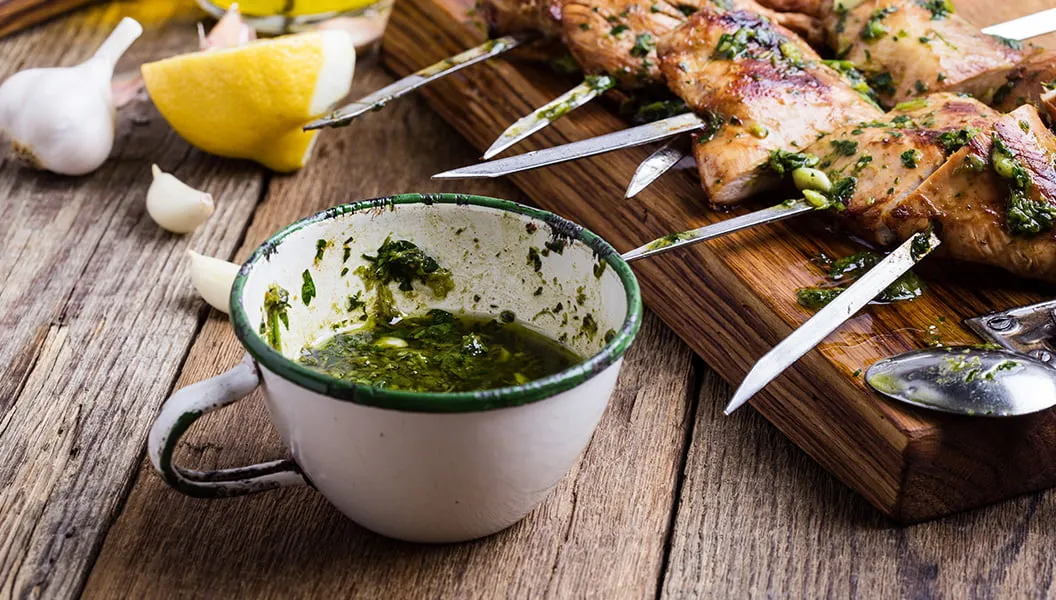
A good marinade is simple to create—you just need to know how. The right balance of acid, fat, salt, spices and herbs is key:
- Oil: the primary flavour carrier. It binds and distributes the aromas of spices and herbs. Your choice of oil defines the marinade's character—from classic olive to rich sesame or light rapeseed.
- Acid: opens up the surface of meat or vegetables, lowers the pH level and helps tenderise the result. Lemon juice, lime and rice vinegar are classic examples.
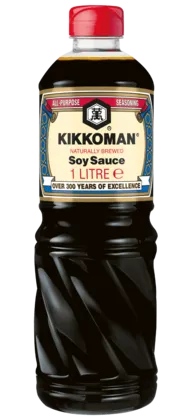
- Salt: key to both flavour and moisture retention—but it can easily be replaced with Kikkoman Soy Sauce, which adds depth and umami as well as saltiness.
- Herbs and spices: don’t hold back here. Garlic, chilli, rosemary, thyme, coriander, ginger—the mix depends on your chosen style and gives each marinade its own signature.
In a professional kitchen, marinades are flexible formulas, not fixed recipes. Tailor them to your style, the season, or your menu. A single base marinade, once prepped, can be adapted for multiple dishes—the essence of efficient meal prep.
How to marinate correctly
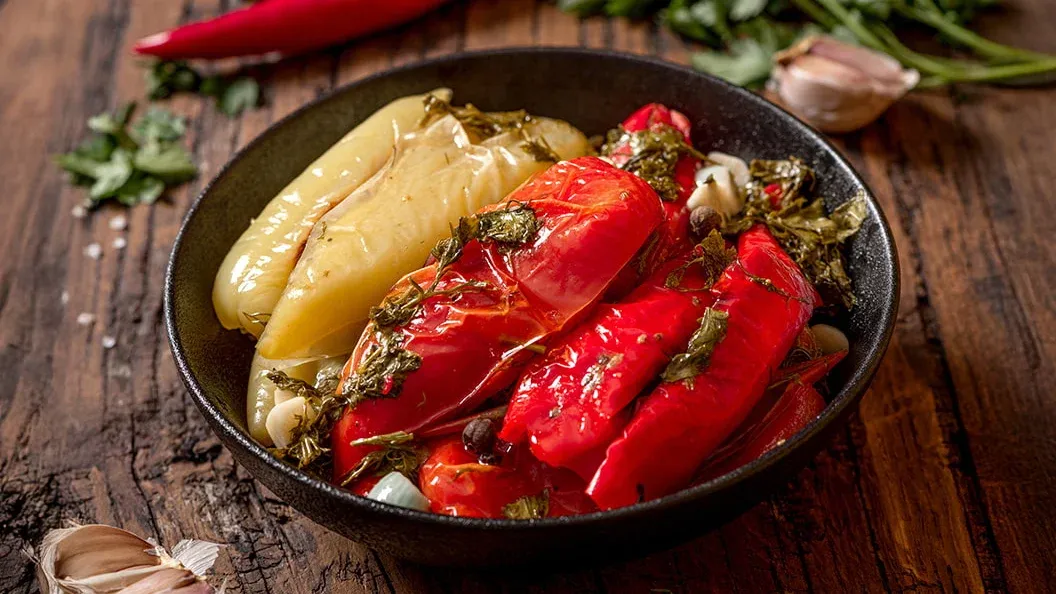
A great marinade depends as much on technique as on ingredients. The right method prevents tough meat and uneven flavour. For consistent, professional results, follow these key steps:
- Mix the marinade: start by thoroughly combining the liquid components—such as Kikkoman Soy Sauce or Kikkoman Teriyaki Marinade—with the oil and acid, then add the spices.
- Prepare the surface: lightly prick the meat or vegetables so the flavours can penetrate evenly.
- Combine: coat each piece thoroughly with the marinade on all sides.
- Storage: keep the marinated product in food-safe zip-top bags or vacuum-sealed in the fridge. Vacuum sealing allows flavours to be absorbed faster and more evenly.
- Resting time: marinate for several hours or days, depending on the product. Turn the bag after half the marinating time to ensure the marinade soaks in evenly from all sides.
- Pre-cooking steps: remove meat or vegetables from the refrigerator about an hour before cooking to bring them to room temperature. This ensures even cooking, better texture and fuller flavour.
- Heat management: if cooking over an open flame, dab off any excess marinade to prevent burning.
- Food safety: marinades that have been in contact with raw meat must not be reused without cooking. Boiling briefly makes them usable again as a sauce or glaze. Kikkoman Teriyaki Marinade is ideal for adding a glossy finish to the glaze after reducing.
With these tips and techniques, you have everything you need for effective marinating—and the possibilities are almost limitless. Once marinated, products can be stored, frozen or pre-cooked, meal-prep style—making them ready for service at a moment's notice.
Marinades for vegetables
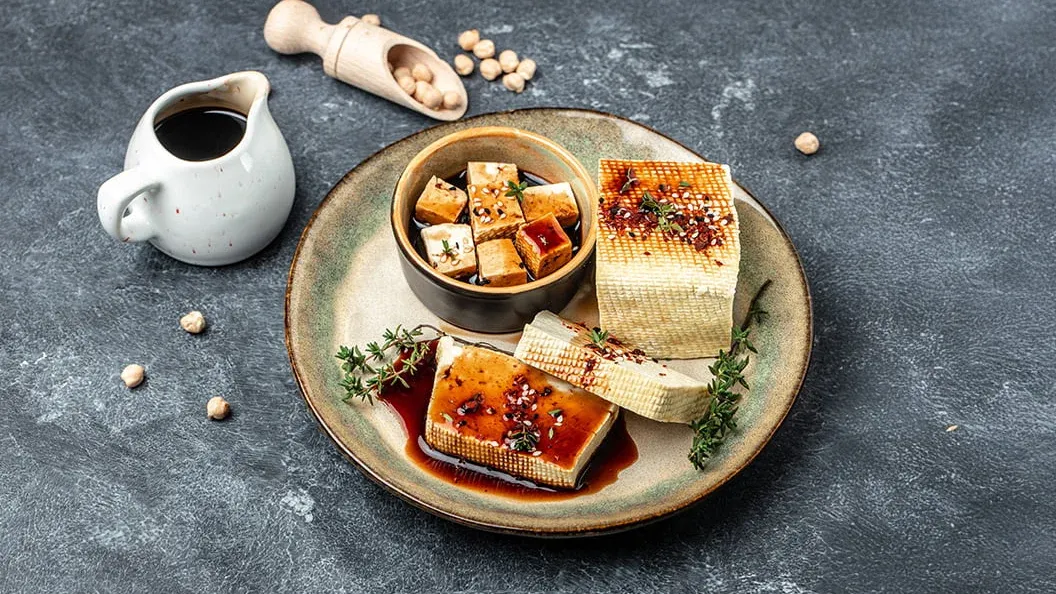
Vegetarian and vegan dishes play an increasingly important role in professional kitchens. Marinades offer an excellent way to elevate vegetables and meat substitutes—not just enhancing their flavour but turning them into fully-fledged main courses.
- Aubergine: sesame oil, miso, lime, Kikkoman Soy Sauce, agave syrup, garlic—savoury with a subtle sweetness.
- Tofu: olive oil, peanut oil, Kikkoman Soy Sauce or Kikkoman Teriyaki Marinade, rice vinegar, garlic, spring onion—tofu readily absorbs any type of marinade. It's ideal for meal prep: the longer it rests, the more intense the flavour.
- Sweet potato: olive oil, maple syrup, chilli, pepper, lemon—a play between heat and freshness. A splash of Kikkoman Ponzu Lemon rounds off the marinade with a delicate citrus note.
- Courgette: olive oil, lemon, garlic, rosemary, thyme—light, aromatic and Mediterranean in style. Use Kikkoman Teriyaki Marinade for an extra umami kick.
Marinades for meat
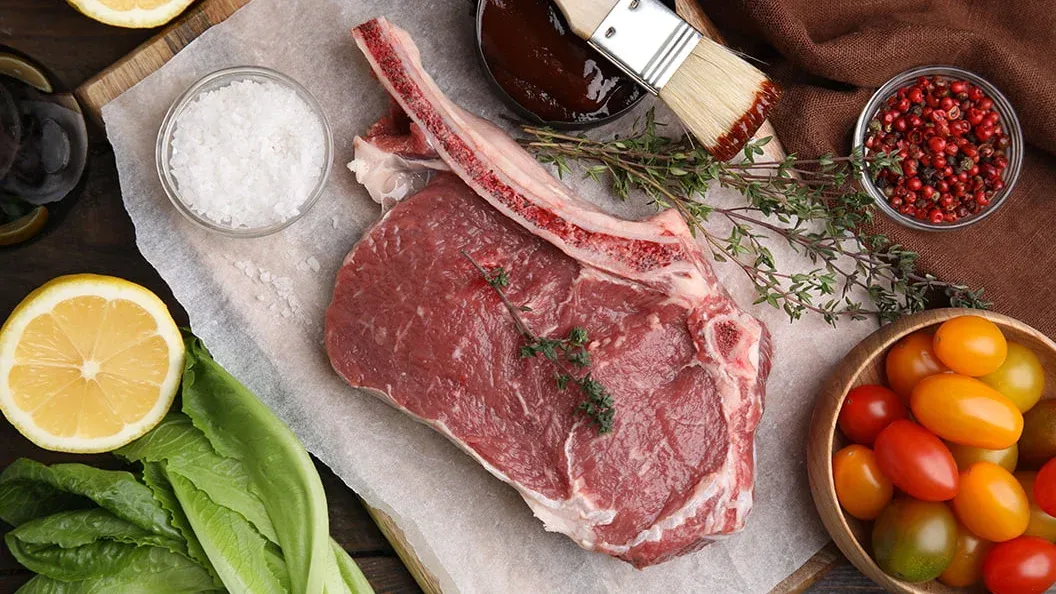
Marinades also show their full versatility when it comes to meat. The right blend enhances the character of the cut, making it tender, juicy and full of flavour.
- Beef: olive oil, garlic, rosemary, thyme, lemon—the classic combination: robust yet refined.
- Pork: peanut oil, ginger, chilli, Kikkoman Soy Sauce, rice vinegar—exotic with a subtly sweet heat.
- Chicken: sesame oil, curry, lemongrass, miso, honey, rice vinegar—aromatic and complex, with an Asian touch. Kikkoman Teriyaki Marinade is the perfect addition here, rounding off the flavour of the chicken with its balanced savoury-sweet character.
In large-scale kitchens, it pays to marinate meat in bulk for meal prep. This not only keeps things organised and ready but also ensures consistent flavour. Using Kikkoman sauces as a base guarantees uniform taste and quality—no matter the batch size.
Practical tips for professional kitchens
When marinating in a professional setting, it’s not just about flavour—it's also about creating a smooth, efficient workflow. A few simple rules are all you need to achieve both:
- Hygiene: always keep marinades for raw and cooked meat completely separate to maintain food safety.
- Flexibility: work from a single base marinade and adapt it for different dishes—for instance, by adding extra herbs or oils.
- Costing: marinating adds value to cheaper cuts—an economical approach that supports the 'nose to tail' philosophy of full utilisation.
- Time management: using marinades systematically as part of prep streamlines advance production and eases pressure during peak service.
More structure, more flavour, less stress
Marinades are an invaluable tool in professional kitchens. They provide both flavour and structure—from prep and storage to the finished dish. With the right balance of oil, acid, spices and Kikkoman sauces, you can create a wide range of flavour profiles for both meat and vegetables. Integrating marination into your meal prep saves time and keeps service predictable—resulting in happier guests and a more efficient kitchen.