From nose to tail & leaf to root—the art of using everything
26. November 2025
What does 'nose to tail' mean?
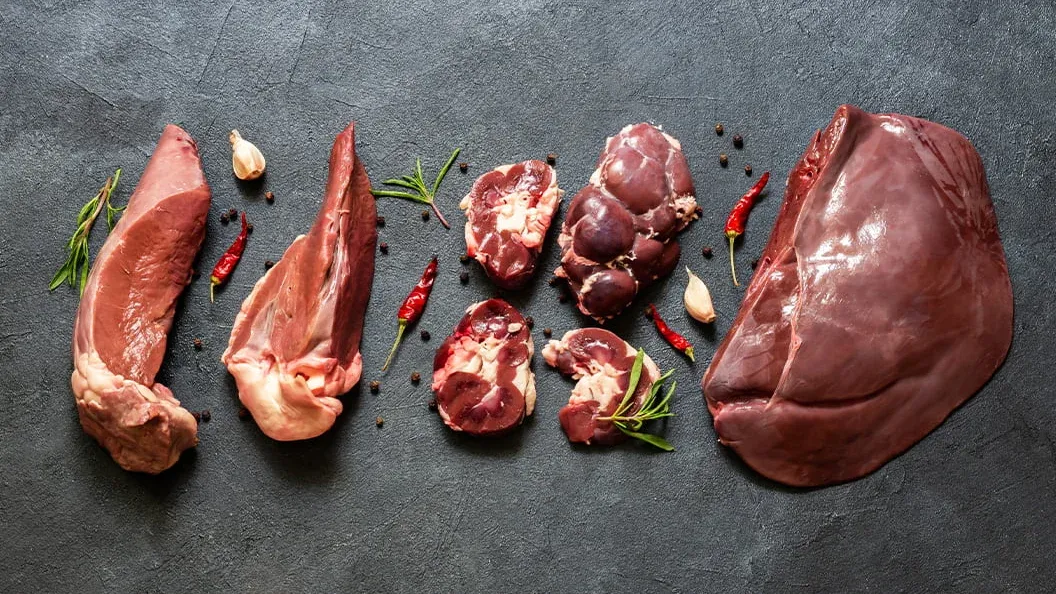
'Nose to tail' literally means using the animal from its snout to the tip of its tail. The philosophy is simple: rather than just using the prime cuts—the fillets, loins and legs—the entire carcass is utilised. Offal, bones, skin, head and feet: everything can, and ideally should, be used.
While this might seem unusual at first, it offers several clear advantages in professional kitchens:
- Respect for the animal: an animal that is slaughtered should be used in its entirety. Anything less is wasteful.
- Cost savings: less popular cuts are significantly cheaper to source. With skill and creativity, you can transform them into high-quality dishes. For example, a rich jus made with Kikkoman Soy Sauce can turn simple cuts of meat into a true taste experience.
- Diversity on the plate: cuts like tongue, heart, kidneys, or oxtail bring variety to your menu, offering exciting flavour experiences beyond the mainstream.
In Southeast Asia, this has long been part of everyday cooking: grilled chicken feet, fried duck tongues and skewered chicken hearts are popular street food staples, often finished with a rich glaze or marinade—Kikkoman Teriyaki Marinade or Kikkoman Teriyaki Glaze are perfect for this. In Europe too, using the whole animal was once standard practice, particularly in traditional home cooking. Offal such as heart, liver and kidney were regular features on the plate, and even blood was used in dishes like black pudding. Back then, this approach was less a trend and more a necessity; meat was scarce and waste was not an option.
For today’s professional kitchens, this means that even if it’s no longer a strict necessity, using the whole animal remains a mark of a skilled kitchen. With the right know-how, even the less common cuts can be transformed into sought-after delicacies—whether braised, grilled or cooked sous vide.
What is 'leaf to root'?
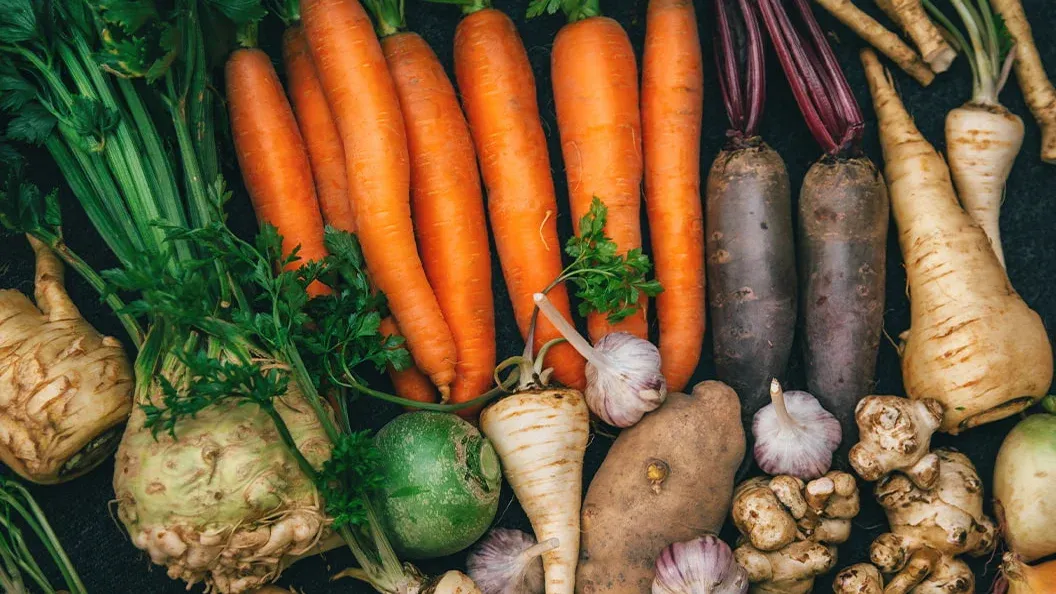
Just as 'nose to tail' applies to meat, 'leaf to root' means using vegetables in their entirety—from leaves and stems to roots. Even peels, seeds and stalks can be used to great effect by chefs with the right technique.
The world of vegetables is often full of untapped potential:
- Carrot tops can be blended into a vibrant pesto—a splash of Kikkoman Ponzu Lemon introduces a fresh citrus note.
- Broccoli stalks, once peeled and finely julienned, make a great salad. Tossed with a dressing of Kikkoman Soy Sauce, sesame oil and a squeeze of lime juice, they become a fragrant starter.
- Onion, garlic and other vegetable skins add a deep, savoury base to stocks.
- Beetroot leaves are rich in vitamins and are delicious briefly blanched or blended into smoothies.
However, a note of caution is needed when using 'secondary' plant parts: not all of them are edible. Some seeds, peels or stems can be harmful or even toxic. For example, tomato or rhubarb leaves contain substances that, in larger quantities, can cause nausea, digestive problems or even poisoning.
When in doubt, always check whether a plant part is truly edible—especially if it’s not normally used.
Tips for zero-waste cooking in professional kitchens
At first glance, 'nose to tail' and 'leaf to root' might sound labour-intensive, but they’re often easier to put into practice than you think. Here are some practical tips for making the most of your ingredients and adding them to your menu—without much extra effort.
Choose organic quality
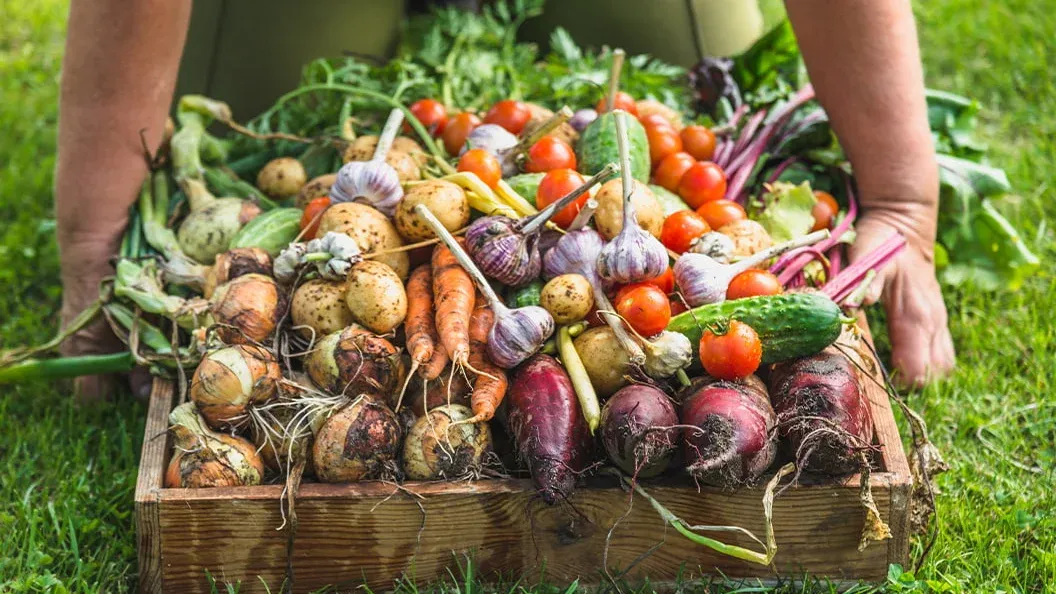
When using peels, leaves and other outer parts, sourcing organic produce is essential. Conventionally farmed vegetables often carry pesticide residues that accumulate mainly on the surface. Thorough washing makes a big difference, especially with items like potato skins, citrus fruit or apple peels.
The same applies to 'nose to tail': buying from organic farms or regional butchers helps ensure freshness, quality and traceability—while also keeping more of the value chain within the local economy.
Thorough cleaning is a must
- Before processing fruit or vegetables, all parts should be washed thoroughly, scrubbed and, if necessary, blanched. Good kitchen hygiene prevents contamination and ensures better flavour—no one wants their dining experience ruined by the gritty crunch of unwashed salad.
- The same care applies to meat: take extra care when utilising the whole animal. Offal, bones and skin must be cleaned meticulously and stored correctly—not only for hygiene but to prevent unpleasant odours or bitter flavours.
For both 'nose to tail' and 'leaf to root,' careful preparation is essential in any zero-waste kitchen.
Get creative with scraps
Before tossing kitchen trimmings and off-cuts into the food-waste bin, it’s worth taking a second look.
A few examples:
- Crisps from scraps: toss potato or sweet-potato peels with a little oil and seasoning, then bake them into crunchy chips.
- Pesto with a twist: blend radish leaves with pine nuts, parmesan and a little oil for a punchy pesto.
- Trimmings to treasure—use vegetable peels and off-cuts as a cost-effective base for aromatic stocks and broths.
- Jus, not junk: turn meat trimmings and bones into rich stocks or soups. Finish with Kikkoman Teriyaki Glaze for extra depth and shine.
- Tenderness through technique: for less tender cuts, use sous vide or slow braising at a low temperature. This transforms even sinewy or collagen-rich cuts into butter-soft morsels. A marinade of Kikkoman Soy Sauce, honey and spices adds extra depth and character.
Conclusion: sustainable cooking means smart cooking
'Nose to tail' and 'leaf to root' demonstrate that working more sustainably doesn’t require a complete kitchen overhaul—it can often be achieved with simple means. Taking a more conscious approach to ingredients not only reduces waste but also cuts costs. With a little creativity, many so-called scraps can be put to good use.
Of course, this shift takes some adjustment in a professional kitchen—but the results on the plate are often all the more rewarding. Guests also notice when every ingredient is used to its full potential: a thoughtful approach to sourcing and utilisation is no longer just a trend, but a hallmark of good cooking—honest, economical and contemporary.