Seoul food for the soul: the best bites in the capital
10. August 2026
Where to find the best food in Seoul
Seoul is a city of neighbourhoods, and each one has its own culinary character. It's worth taking your time to explore the different areas. Two stand out in particular: Itaewon and Gangnam.
Itaewon and Gangnam: where Seoul meets international flair

Itaewon was long Seoul's international quarter, shaped by its proximity to the US military base and a diverse expat community. That mix has helped turn it into one of the city's most creative food districts today. In recent years, it has attracted numerous fusion restaurants combining Korean ingredients with European techniques. It's the perfect blend of down-to-earth cooking and genuine culinary freshness.
If it's premium concepts you're after, Gangnam—yes, that Gangnam from the song—is the place to go. It's Seoul's affluent district, home to fine dining restaurants that reinterpret Korean classics at the highest level, alongside elegant cafés and modern bars. The ideal place to find more refined inspiration for your own menu.
The night markets: where Seoul really comes alive
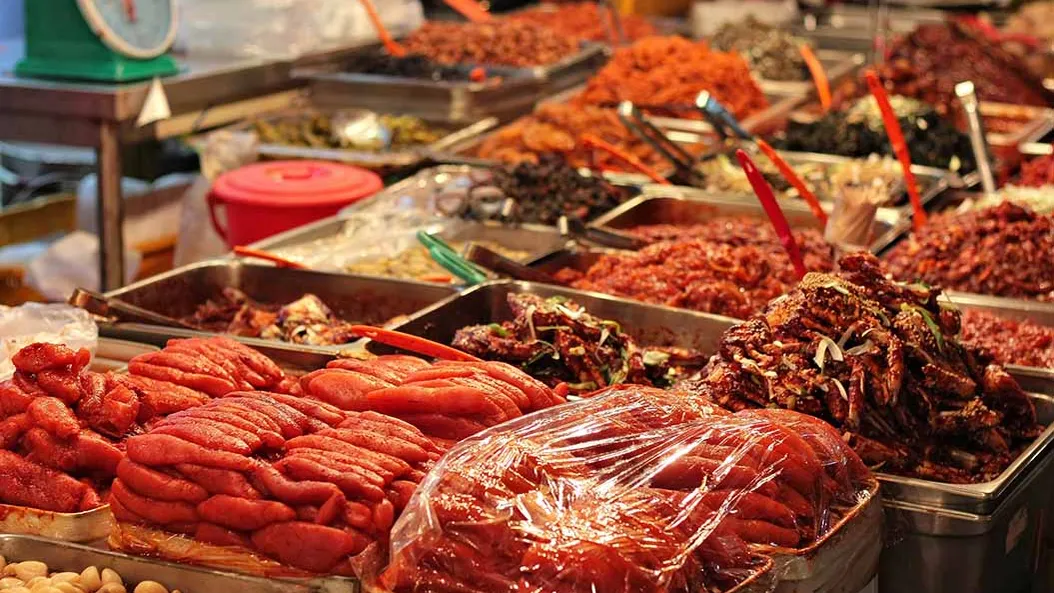
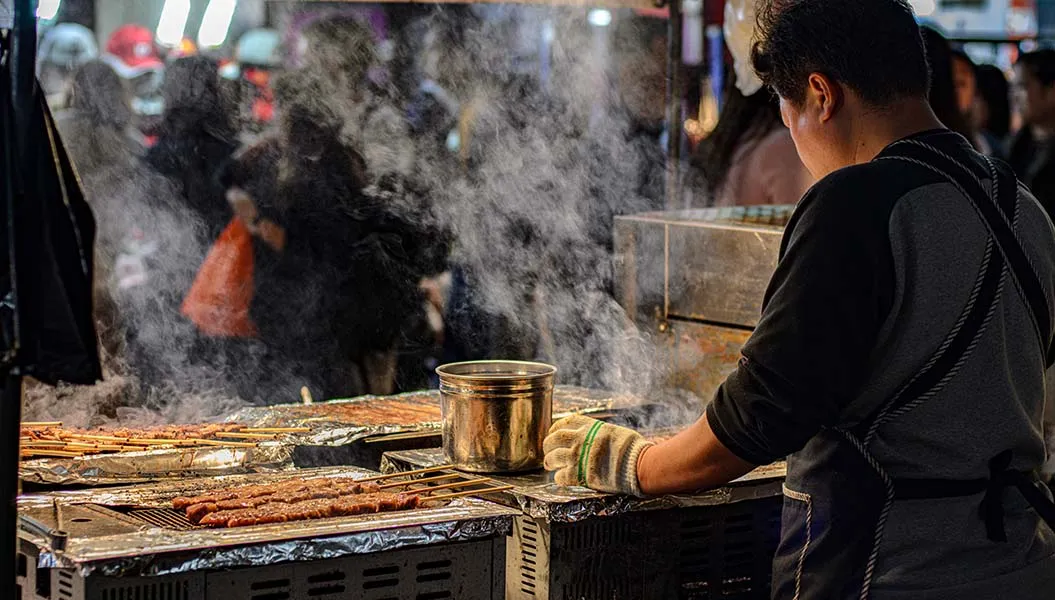
Seoul offers an enormous variety of food—but if you really want to understand the city through its cuisine, you need to visit the markets after dark. Don't worry: Seoul's night markets are no tourist traps. They're the heart and soul of local food culture—loud, colourful, bustling, fragrant and seriously good.
- Dongdaemun Market:
This market truly never sleeps. Around the clock, you'll find fresh kalguksu (knife-cut noodles in a clear broth), grilled meat and bindaetteok (savoury mung bean pancakes). After midnight, the market is at its most intense, making it particularly popular with students, office workers and night owls.
- Myeongdong Night Market:
Probably the best-known night market in Seoul. Food stalls line the streets, serving everything from tteokbokki (spicy rice cakes) to hotteok (filled pancakes). If you want to see street food through your guests' eyes, this is unmissable.
Seoul's most popular street food classics
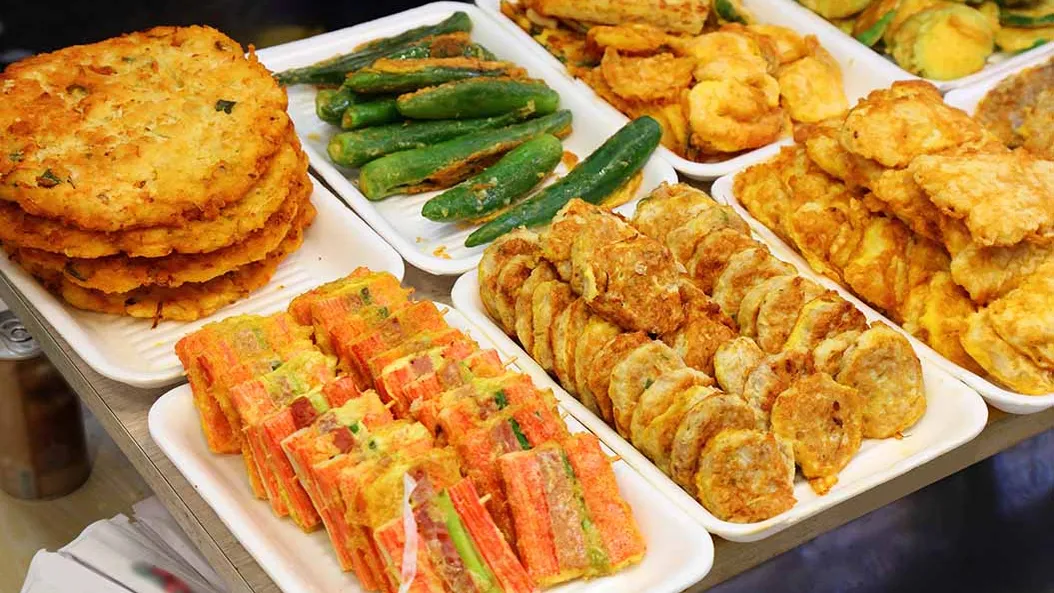
Seoul's street food is as varied as the city itself. Some classics have endured for decades and are now as much a part of the urban landscape as the streets they're sold on. Here are the most important—and why they're so interesting for European kitchens:
Kalguksu—something warm for the soul
Kalguksu means 'knife noodles'—named after the way the dough is cut into broad strips. The noodle soup is made with a flavour-packed stock based on chicken or seafood. The result is a clear but robustly flavoured dish that works particularly well in the cooler months.
Bindaetteok—the pancake with a history
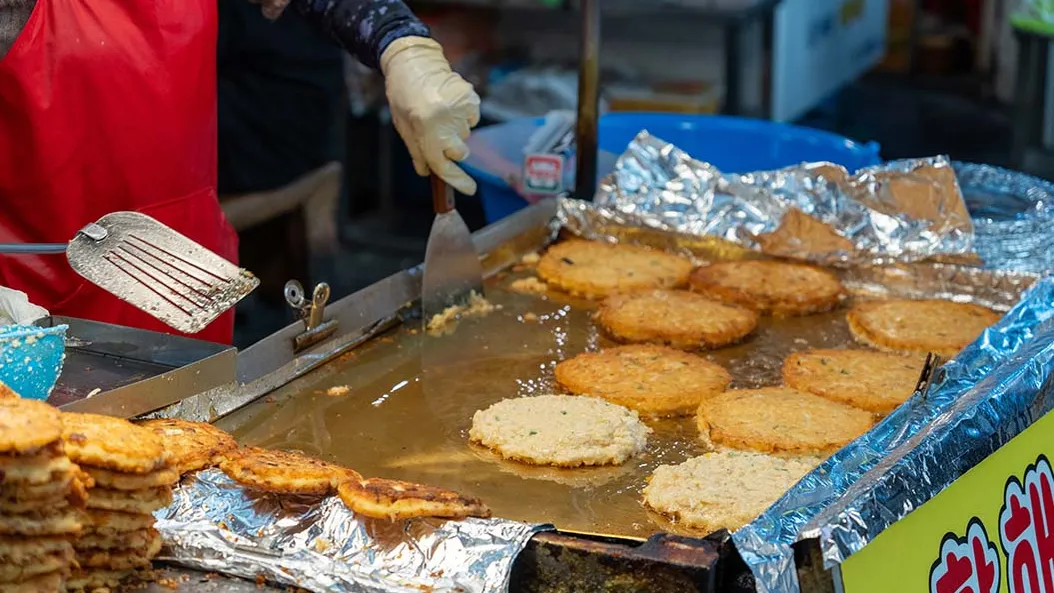
These savoury pancakes made from ground mung bean batter are among the oldest street foods in Korea. Filled with kimchi, pork or vegetables and fried to a golden brown on large iron griddles, their nutty, crispy character makes them immediately accessible to European guests—and particularly interesting as the basis for a creative starter.
Gimbap—Korea's all-rounder
Often compared to sushi but very much its own thing: gimbap is cooked rice rolled in nori seaweed and filled with vegetables, egg, pickled radish and optionally meat or tuna. What sets gimbap apart is its versatility—it works equally well as a quick snack or an elegant finger food starter.
Mandu—Korea's answer to the dumpling
Mandu are Korean dumplings—steamed, boiled or pan-fried until crisp, filled with kimchi, tofu, pork or a combination of all three. Closely related to Chinese jiaozi and Japanese gyoza, they have their own distinct character: boldly seasoned with a gentle sourness from the kimchi. In creative cooking, mandu offer endless possibilities as fusion dumplings.
Hotteok—the sweet one of the bunch
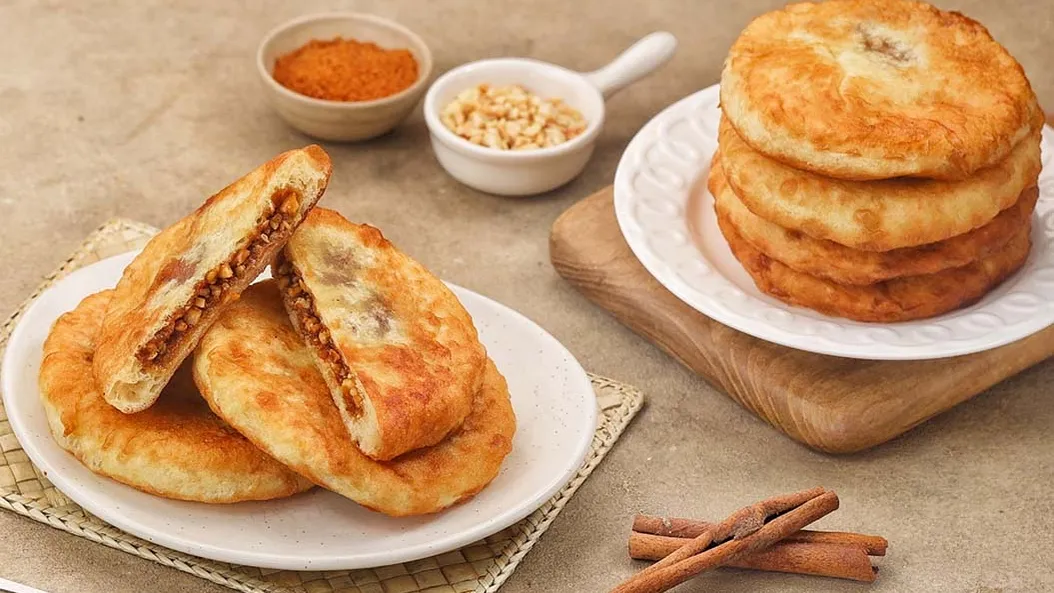
Hotteok are filled pancakes fried in a pan—classically with brown sugar, cinnamon and sesame or nuts. The filling melts as it heats into a molten caramel centre with a satisfying crunch. In autumn and winter, the queues at hotteok stalls are longer than those outside any café. Perhaps an original, easy-to-implement idea for your next dessert menu?
Bingsu—when ice becomes an art form
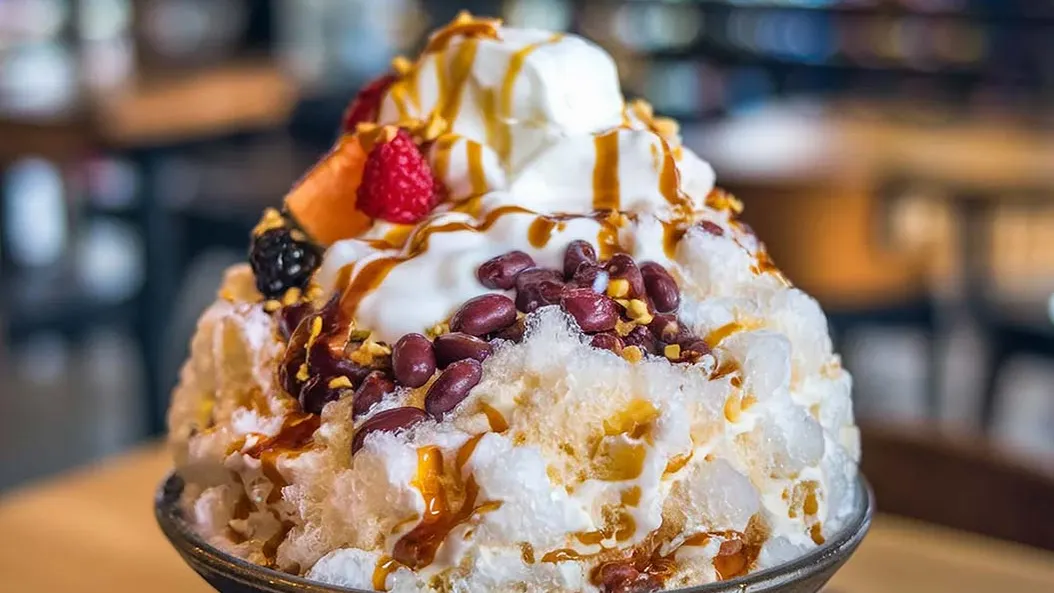
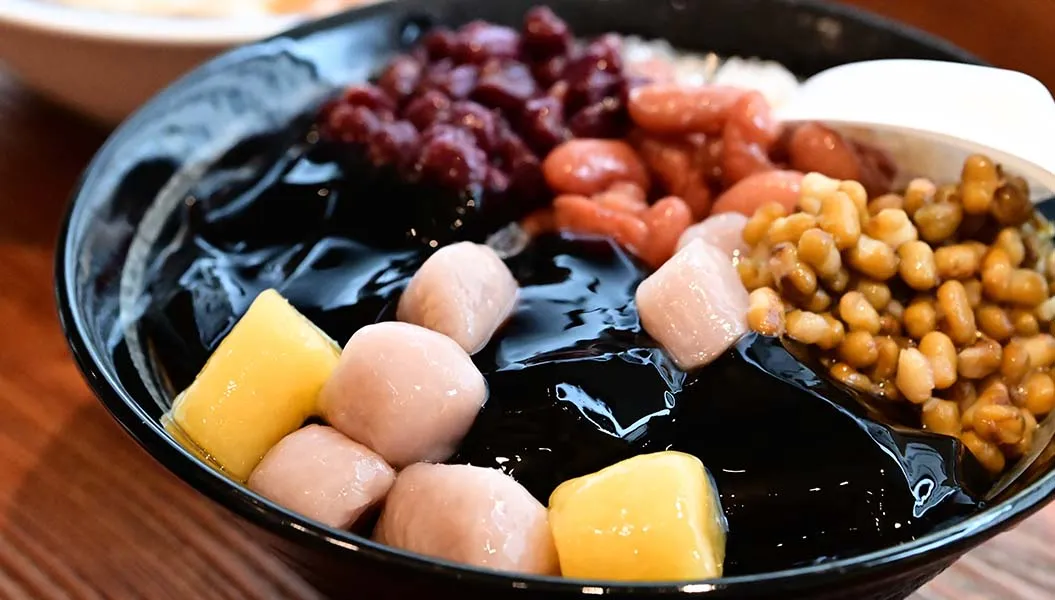
Bingsu is a Korean shaved ice dessert—and it's far more than just ice with syrup. Finely shaved milk ice topped with red beans, rice cakes, fresh fruit or sauces: bingsu is a visual highlight that lends itself perfectly to social media. As a seasonal summer dessert on the menu, it's sure to be a hit.
If you'd like to explore Korean cuisine further, Kikkoman's article on Korean dishes in the professional kitchen offers plenty more inspiration.
Seoul food in your own restaurant kitchen
The beauty of Seoul food is that you don't need to run a Korean restaurant to benefit from these ideas. Most concepts slot easily into existing menus—as a new starter, a seasonal special or a fresh addition to familiar classics.
- Gimbap rolls with salmon, avocado and a Kikkoman Ponzu Lemon dip: filled with smoked salmon, avocado and pickled radish—a western-inspired take on the classic. For the dip, combine Kikkoman Ponzu Lemon with honey, chilli and lime zest. The citrus note creates a fresh contrast to the salmon.
- Crispy mandu with pork mince and kimchi, glazed with Kikkoman Teriyaki Glaze: cooked potsticker-style—fry first, then steam briefly. Brush with Kikkoman Teriyaki Glaze just before serving and caramelise briefly once more. This adds gloss and extra depth of flavour.
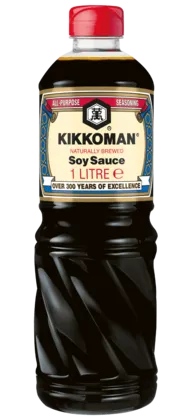
- Korean marinated pork belly with banchan and Kikkoman Soy Sauce: marinate the pork belly with Kikkoman Soy Sauce and grated apple. The apple adds natural sweetness and tenderises the meat—a classic Korean technique. Serve with lettuce leaves so guests can wrap the pork at the table, creating an interactive, convivial dining experience.
The right sauce makes the difference
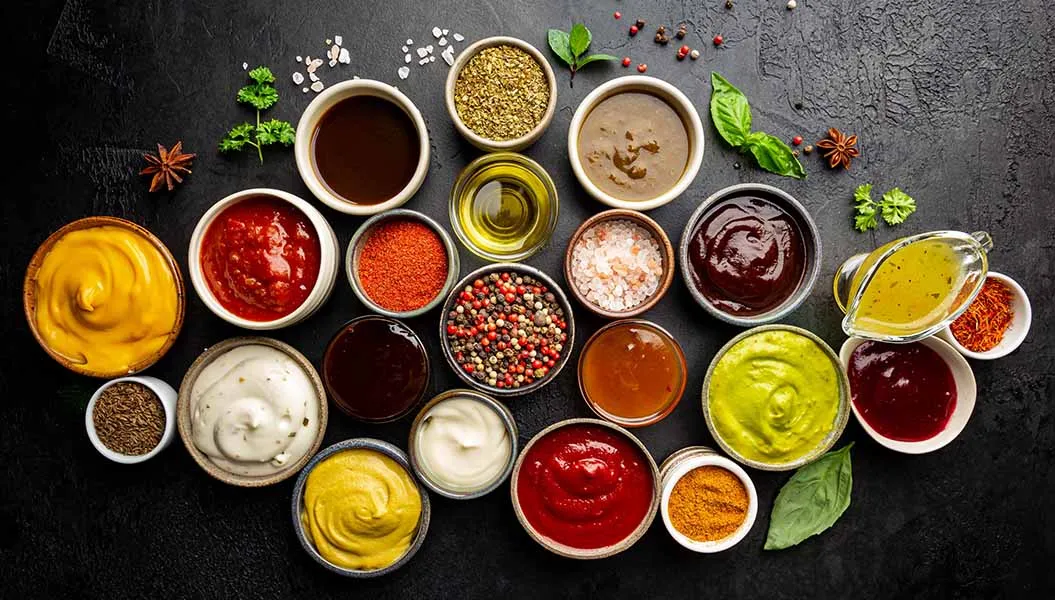
Dips are at the heart of many Korean dishes—and this is one of the easiest ways to set your menu apart. Instead of generic chilli- or ketchup-based sauces, try Korean-inspired dips that can elevate your dishes with very little effort:
- Classic soy dip: Kikkoman Soy Sauce with rice vinegar, sesame oil, garlic and chilli—a versatile all-rounder that works with mandu, gimbap and grilled dishes alike.
- Kimchi sauce as a dip: add a splash of rice vinegar and a little toasted sesame oil to Kikkoman Kimchi Chili Sauce. Serve alongside steamed dumplings or crispy pancakes.
- Sweet-and-spicy glaze: Kikkoman Teriyaki Glaze with gochujang and sesame seeds—ideal as a glaze for grilled meat or a topping for bowls.
The beauty of these sauces is that they're not just decoration—they actively shape the flavour of the dish. A good dip can turn an average dish into a memorable one, and is often the reason guests come back.
Seoul food—a trend with substance
Seoul is not just another food trend that will have disappeared again within a year. Korean cuisine has established itself globally in recent years, supported by a young, creative restaurant scene that takes tradition seriously while remaining unafraid of change. That's precisely what makes it so attractive for European dining concepts.
Bringing a little Seoul into your kitchen—whether through a new dip, a street food starter or a Korean-inspired marinade—means appealing to a generation that is curious, open-minded and discerning all at once. And with the right sauces as a foundation, the first step is actually quite small. So get cooking and give it a try.